Make FMCG sales records easier to reconcile by defining units, separating orders from deliveries and tracking outlet coverage alongside confirmed sales.
Use a customer and product data readiness checklist to reduce duplicate outlets, unclear selling units and missing field information before mobile work begins.
Understand GPS check-ins, location accuracy and geofence exceptions, then use a fair review process that combines customer records, photos and visit notes.
Choose field sales KPIs with clear definitions: coverage, productive visits, order value, follow-up completion and data readiness, with practical worked examples.
Build a practical first-week onboarding plan for field sales representatives covering product units, customer records, supervised visits and accurate reporting.
Use a practical field sales daily report template to separate visits, orders, exceptions and next actions, with a worked example for a distribution team.
Prepare a field phone before leaving coverage and reconcile pending records afterward with an offline sales checklist for representatives and supervisors.
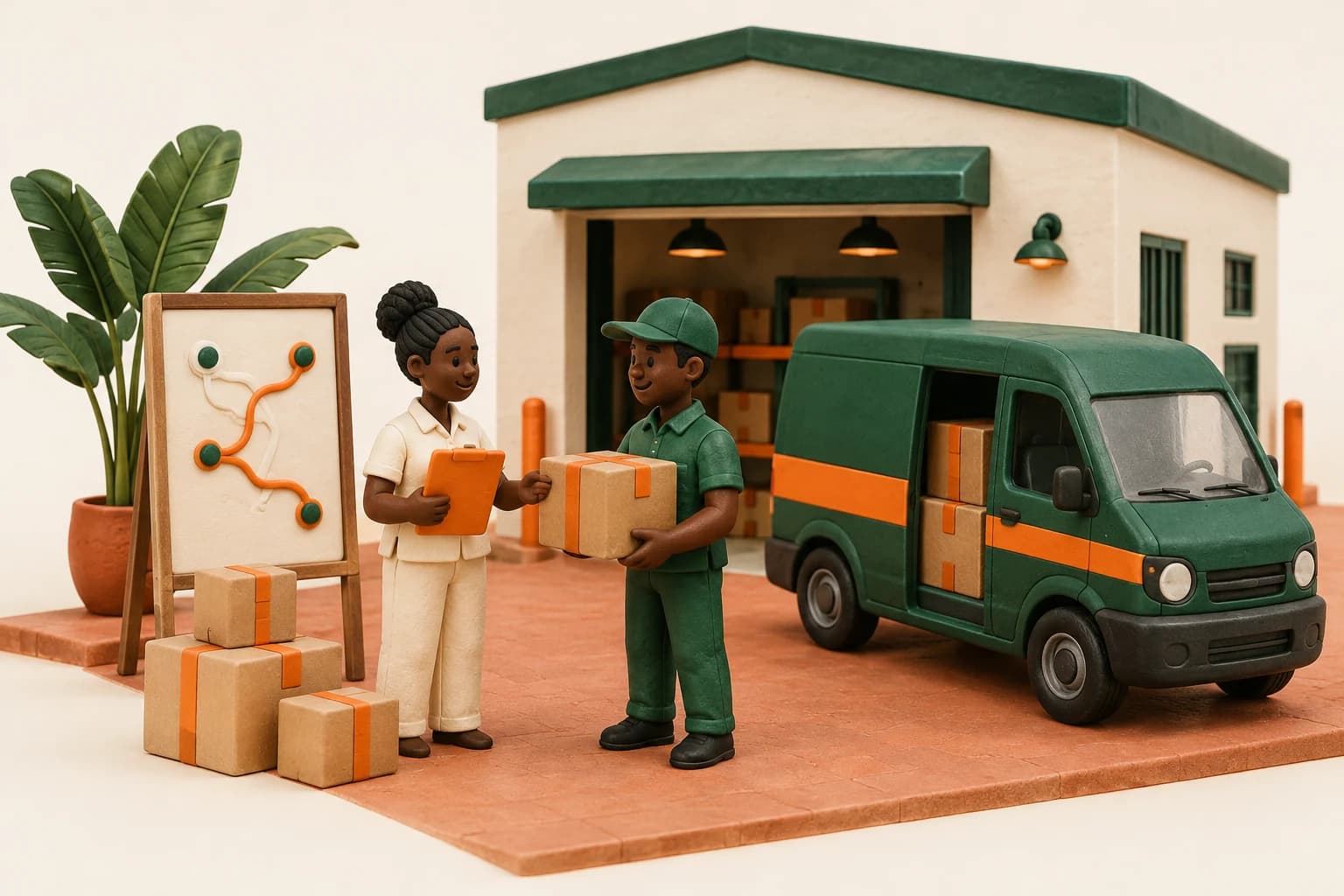
Build a practical proof of delivery process that records accepted quantities, recipients and exceptions without confusing arrival with a completed handover.
Use a clear customer follow-up routine after field sales visits, with message examples, action ownership and a way to close the loop without over-contacting buyers.
Build manageable sales territories around real outlet locations, visit frequency and rep capacity using a practical planning checklist and review routine.
Use a warehouse-to-driver handover checklist to confirm destinations, product units, loading changes and exception ownership before a delivery run starts.